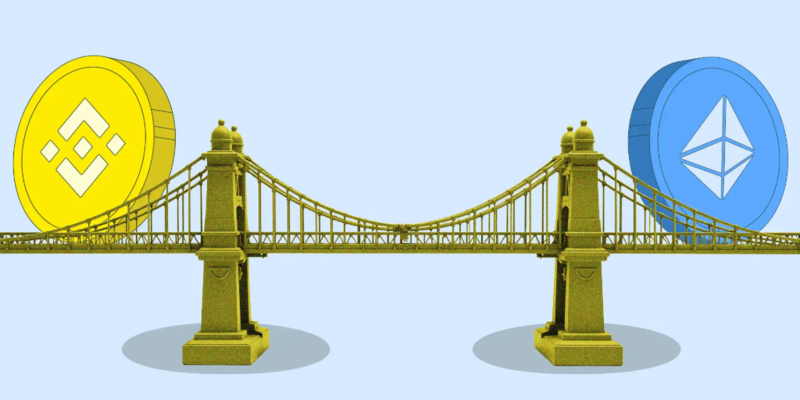
Tham gia staking BNB là một trong những phương thức hàng đầu giúp các nhà đầu tư tiền điện tử tạo ra nguồn thu nhập thụ động an toàn và ổn định. Thay vì để tài sản nhàn rỗi trên ví, việc khóa coin vào mạng lưới BNB Chain sẽ giúp bạn nhận được phần thưởng block định kỳ với mức lãi suất vô cùng hấp dẫn.
Trong bối cảnh thị trường tài chính số phát triển đa dạng, các nền tảng giải trí trực tuyến như MCW cũng tích hợp nhiều phương thức thanh toán tiền mã hóa linh hoạt nhằm tối ưu trải nghiệm người dùng. Việc hiểu rõ cơ chế vận hành tài sản số giúp người chơi dễ dàng quản lý vốn hơn.
Ngay cả khi tham gia các hoạt động giải trí tại MCW Casino, việc xây dựng một chiến lược quản lý tài chính thông minh và phân bổ nguồn lực hiệu quả luôn là nền tảng cốt lõi giúp bạn gặt hái thành công. Bài viết dưới đây từ bnbguides.com sẽ cung cấp cái nhìn toàn diện về quy trình khóa coin tạo lợi nhuận này.
Trước khi bắt đầu, nhà đầu tư cần nắm rõ nền tảng kỹ thuật và các ưu điểm nổi bật mà hình thức này mang lại:
Tùy thuộc vào khẩu vị rủi ro và mức độ linh hoạt mong muốn, bạn có thể lựa chọn một trong những phương thức sau:
Để đảm bảo an toàn cho tài sản và đạt hiệu suất đầu tư tốt nhất, người tham gia cần tuân thủ các nguyên tắc sau:
Hình thức staking BNB mang lại cơ hội gia tăng tài sản hiệu quả cho bất kỳ nhà đầu tư nào muốn gắn bó lâu dài với hệ sinh thái BNB Chain. Bằng cách chọn lựa phương thức phù hợp, đánh giá đúng Validator và tuân thủ nguyên tắc quản trị rủi ro, bạn hoàn toàn có thể xây dựng một dòng tiền thụ động bền vững cho chính mình.
Transaction slippage tolerance is a crucial parameter that decentralized finance (DeFi) traders must master to protect their capital in the volatile on-chain environment of 2026. Slippage occurs when there is a difference between the expected price of a cryptocurrency swap and the actual price at which the transaction executes. Because decentralized pools rely on automated market makers, large orders or sudden market fluctuations can cause dramatic price shifts mid-transaction. Setting your threshold incorrectly exposes you to massive operational risks.
At BNB Guides, we analyze advanced fee mechanics and transaction configurations to help you trade with precision. Safely calibrating your swap parameters requires finding a delicate balance between transaction speed and execution safety. Much like verifying the withdrawal limits and system rules of a highly regulated online platform like AE888 to ensure your funds are handled securely, setting up your Web3 configurations beforehand guarantees you do not get burned during highly volatile events.
When setting your transaction slippage tolerance, you must balance two opposing on-chain threats. If you set your threshold too low, your transaction will fail whenever the market price moves even slightly, costing you non-refundable gas fees. Conversely, if you set it too high, you leave your trade wide open to malicious frontrunning bots that will artificially manipulate the pool to execute your swap at the worst possible price.
To help you manage these trade-offs, the table below compares how different configurations for your transaction slippage tolerance directly impact your trading success rate and overall security:
| Slippage Threshold Setting | Main Execution Hazard | Non-Refundable Gas Fee Risk | Frontrunning (MEV) Vulnerability | Recommended Asset Class |
| Tight (0.1% - 0.5%) | Frequent transaction failures & reverts | Extremely High | Very Low | Deeply liquid stablecoins |
| Moderate (0.5% - 2.0%) | Occasional execution delays | Low to Medium | Low | Major assets (BNB, ETH, BTC) |
| Loose (2.0% - 5.0%+) | Poor execution price (bad rates) | Zero | High to Extremely High | Highly volatile memecoins |
Just as modern players study the risk metrics and verification procedures of premium platforms like AE888 to secure their transfers, decentralized traders must carefully analyze these three slippage zones before broadcasting a transaction to the public mempool.
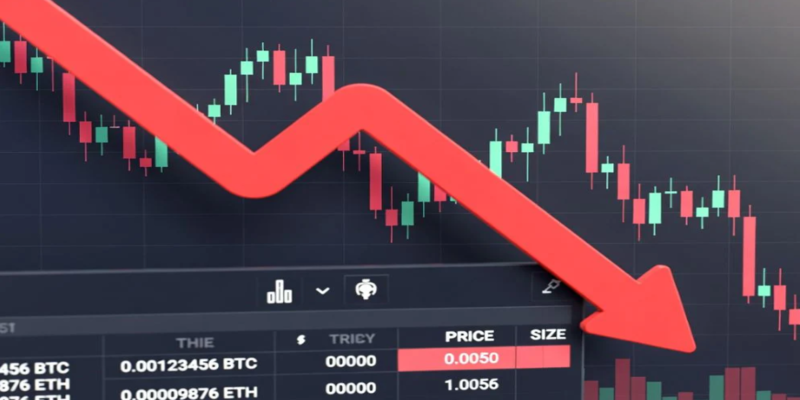
The first major risk of an improperly optimized transaction slippage tolerance is the financial drain of failed smart contract executions. In 2026, network congestion remains highly dynamic, and a tight slippage limit can easily cause a swap to time out, leaving you with zero swapped tokens and a massive gas bill.
To mitigate the cost of constantly reverted trades without exposing yourself to exploitation, implement these protective routines:
By managing these on-chain variables, you can confidently run transactions with tighter slippage settings without triggering constant, expensive execution failures.
The second and more dangerous risk is the sandwich attack, a highly prevalent form of Maximal Extractable Value (MEV) exploitation. When you set a high transaction slippage tolerance, public searcher bots will spot your transaction in the mempool, buy the asset right before you to push the price up to your maximum limit, and then immediately sell it to pocket the difference.
Protect your digital assets from aggressive frontrunning bots by adopting these advanced transaction security tips:
Mastering these defensive habits ensures that you remain completely in charge of your decentralized trading journey. Treat every transaction parameter as a critical financial boundary, evaluate active pool depths carefully, and always employ a balanced transaction slippage tolerance to safeguard your crypto assets.
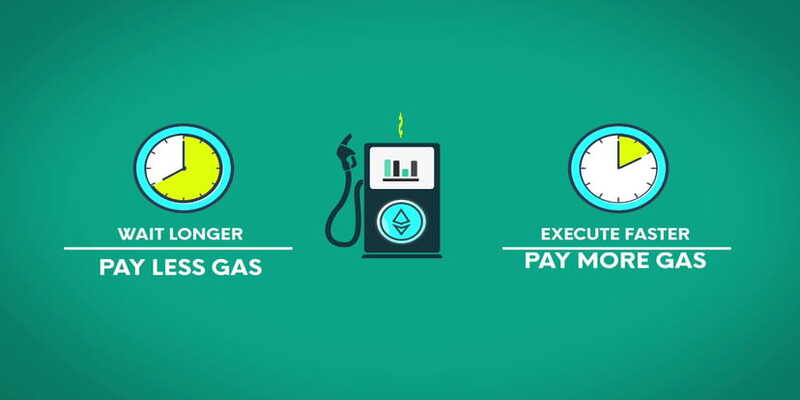
Network gas optimization is a critical skill that every decentralized finance participant must master to survive the volatile transaction landscape of 2026. Whenever blockchain networks experience sudden surges in transactional volume, gas prices spike rapidly, causing poorly configured transactions to stall or fail completely. Because smart contract executions consume network computing power regardless of whether they succeed, a failed swap still drains your wallet of non-refundable fees. Understanding network gas optimization prevents you from losing your hard-earned funds during high-traffic on-chain events.
At BNB Guides, we provide practical cost-saving strategies to help you navigate these complex on-chain overheads. Learning how to manage your transaction limits before broadcasting them to the public mempool is essential to keeping your trading costs predictable. Much like analyzing the transaction protocols and registration rules on a trusted platform like CF789 before deploying capital, configuring your Web3 parameters beforehand ensures your transactions complete successfully without burning your budget.
The most direct way to achieve robust network gas optimization is to manually adjust your wallet's gas parameters before signing a transaction. By default, most Web3 wallets estimate transaction fees based on historic averages, which frequently causes swaps to fail when block space demand suddenly spikes during high-volatility events. Taking manual control of these settings is the first line of defense against dropped trades.
To prevent your transactions from being dropped or outbid by other network participants, consider these pro execution tips when implementing standard network gas optimization workflows:
These adjustments ensure that your transaction remains competitive in the mempool even when network traffic rises.
Managing your transactions requires choosing the right blockchain environment and monitoring the underlying network congestion levels. Different Layer-1 and Layer-2 scaling solutions offer varying pricing structures for smart contract execution. For instance, evaluating different metrics for network gas optimization helps you determine whether to swap on an Optimistic Rollup or wait for a quieter block on the mainnet.
The table below breaks down the key variables to prioritize for your network gas optimization setups when executing swaps in 2026:
| Optimization Variable | Potential Swap Hazard | Recommended Configuration Adjustment | Target Gas Efficiency |
| Mempool Gas Price | Overpaying during sudden traffic surges | Delay non-urgent swaps until base fee drops | High |
| Slippage Tolerance | Reverted transactions due to price movement | Increase slippage to 1% - 2% during volatility | Maximum |
| Smart Contract Logic | High gas consumption from bloated code | Interact with highly optimized V4 liquidity pools | Medium |
| Layer-2 Rollup Fees | Layer-1 settlement fee spikes | Execute swaps on zk-rollups during off-peak hours | High |
Just as users look for reliable, high-speed processing and fair systems on an entertainment portal like CF789 to avoid unnecessary losses, smart contract traders must continuously monitor their active gas parameters to avoid burning fees on failed blockchain operations.
The final piece of the network gas optimization puzzle involves choosing the exact moment to broadcast your trades. Blockchain traffic is highly cyclical, meaning that execution costs fluctuate predictably depending on the time of day and global market activity. Failing to time your transactions correctly means you will constantly pay premium rates for basic on-chain operations.
Implement these automated timing and monitoring practices, as mastering these timing rules is vital for network gas optimization:
Adopting these analytical habits will keep your Web3 overhead to an absolute minimum. Keep your parameters locked down, evaluate transaction queues carefully, and always rely on proven network gas optimization systems to anchor your decentralized trading systems.

 Bitcoin (BTC) $ 82,382.00 0.75%
 Ethereum (ETH) $ 2,479.05 0.05%
 Tether (USDT) $ 0.999234 0.01%
 BNB (BNB) $ 740.50 0.73%
 XRP (XRP) $ 1.39 0.69%
 USDC (USDC) $ 0.999691 0.01%
 Solana (SOL) $ 108.62 1.71%
 TRON (TRX) $ 0.332017 0.26%
 Figure Heloc (FIGR_HELOC) $ 1.00 2.4%
 Zcash (ZEC) $ 1,205.68 1.75%