

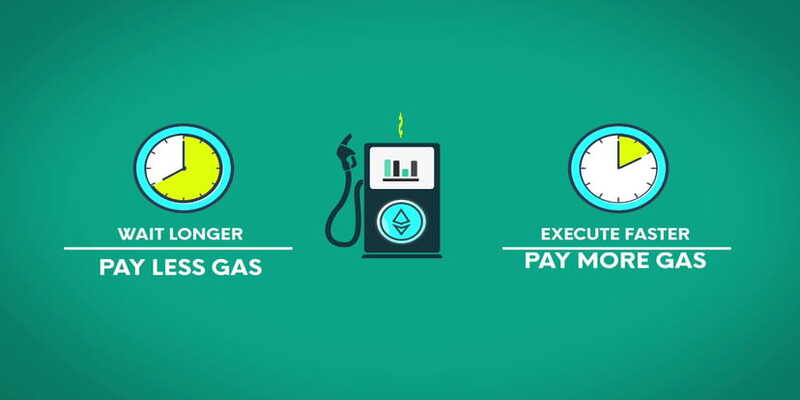
Network gas optimization is a critical skill that every decentralized finance participant must master to survive the volatile transaction landscape of 2026. Whenever blockchain networks experience sudden surges in transactional volume, gas prices spike rapidly, causing poorly configured transactions to stall or fail completely. Because smart contract executions consume network computing power regardless of whether they succeed, a failed swap still drains your wallet of non-refundable fees. Understanding network gas optimization prevents you from losing your hard-earned funds during high-traffic on-chain events.
At BNB Guides, we provide practical cost-saving strategies to help you navigate these complex on-chain overheads. Learning how to manage your transaction limits before broadcasting them to the public mempool is essential to keeping your trading costs predictable. Much like analyzing the transaction protocols and registration rules on a trusted platform like CF789 before deploying capital, configuring your Web3 parameters beforehand ensures your transactions complete successfully without burning your budget.
The most direct way to achieve robust network gas optimization is to manually adjust your wallet’s gas parameters before signing a transaction. By default, most Web3 wallets estimate transaction fees based on historic averages, which frequently causes swaps to fail when block space demand suddenly spikes during high-volatility events. Taking manual control of these settings is the first line of defense against dropped trades.
To prevent your transactions from being dropped or outbid by other network participants, consider these pro execution tips when implementing standard network gas optimization workflows:
These adjustments ensure that your transaction remains competitive in the mempool even when network traffic rises.
Managing your transactions requires choosing the right blockchain environment and monitoring the underlying network congestion levels. Different Layer-1 and Layer-2 scaling solutions offer varying pricing structures for smart contract execution. For instance, evaluating different metrics for network gas optimization helps you determine whether to swap on an Optimistic Rollup or wait for a quieter block on the mainnet.
The table below breaks down the key variables to prioritize for your network gas optimization setups when executing swaps in 2026:
| Optimization Variable | Potential Swap Hazard | Recommended Configuration Adjustment | Target Gas Efficiency |
| Mempool Gas Price | Overpaying during sudden traffic surges | Delay non-urgent swaps until base fee drops | High |
| Slippage Tolerance | Reverted transactions due to price movement | Increase slippage to 1% – 2% during volatility | Maximum |
| Smart Contract Logic | High gas consumption from bloated code | Interact with highly optimized V4 liquidity pools | Medium |
| Layer-2 Rollup Fees | Layer-1 settlement fee spikes | Execute swaps on zk-rollups during off-peak hours | High |
Just as users look for reliable, high-speed processing and fair systems on an entertainment portal like CF789 to avoid unnecessary losses, smart contract traders must continuously monitor their active gas parameters to avoid burning fees on failed blockchain operations.
The final piece of the network gas optimization puzzle involves choosing the exact moment to broadcast your trades. Blockchain traffic is highly cyclical, meaning that execution costs fluctuate predictably depending on the time of day and global market activity. Failing to time your transactions correctly means you will constantly pay premium rates for basic on-chain operations.
Implement these automated timing and monitoring practices, as mastering these timing rules is vital for network gas optimization:
Adopting these analytical habits will keep your Web3 overhead to an absolute minimum. Keep your parameters locked down, evaluate transaction queues carefully, and always rely on proven network gas optimization systems to anchor your decentralized trading systems.

 Bitcoin (BTC) $ 79,115.00 1.51%
 Ethereum (ETH) $ 2,479.89 1.89%
 Tether (USDT) $ 0.999767 0.01%
 BNB (BNB) $ 693.33 1.05%
 XRP (XRP) $ 1.39 1.97%
 USDC (USDC) $ 0.999870 0%
 Solana (SOL) $ 104.11 1.6%
 TRON (TRX) $ 0.331908 1.44%
 Figure Heloc (FIGR_HELOC) $ 1.00 0%
 Hyperliquid (HYPE) $ 84.13 4%