
Post Image
Transaction Slippage Tolerance: 2 Major Risks Compared for Crypto Traders

Transaction slippage tolerance is a crucial parameter that decentralized finance (DeFi) traders must master to protect their capital in the volatile on-chain environment of 2026. Slippage occurs when there is a difference between the expected price of a cryptocurrency swap and the actual price at which the transaction executes. Because decentralized pools rely on automated…
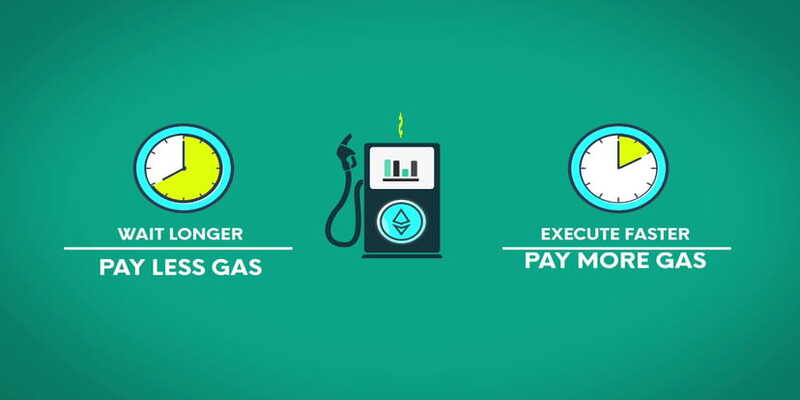
Configuring Wallet Limits for Effective Network Gas Optimization
Network Gas Optimization: 5 Tricks to Prevent Costly Failed Web3 Swaps

Network gas optimization is a critical skill that every decentralized finance participant must master to survive the volatile transaction landscape of 2026. Whenever blockchain networks experience sudden surges in transactional volume, gas prices spike rapidly, causing poorly configured transactions to stall or fail completely. Because smart contract executions consume network computing power regardless of whether…

Why the BNB Auto Burn Keeps BSC Gas Fees Cheap
3 Key Reasons Why the BNB Auto Burn Keeps BSC Gas Fees Cheap in 2026

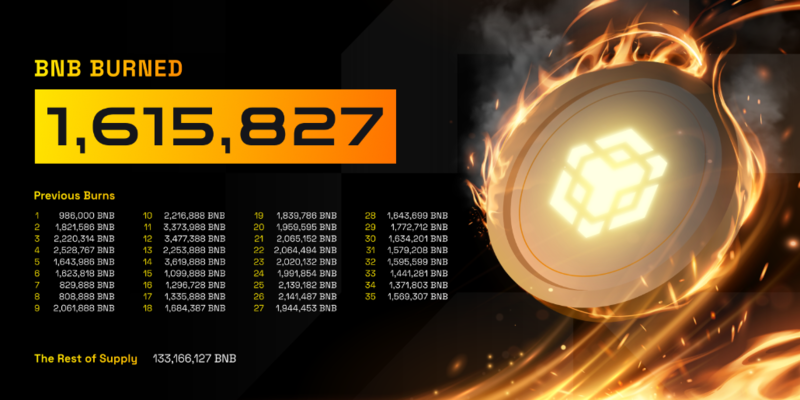
BNB auto burn acts as the foundation of BSC’s economic model in 2026, systematically driving the network’s deflationary mechanics while keeping transaction costs highly competitive. While many Layer 1 networks rely heavily on high transaction fees to sustain validator rewards, the BNB Smart Chain (BSC) has taken a fundamentally different path. At the center of…

Expert Tips and Pro-Level Strategies to Reduce Binance Fees
Why You Fail to Reduce Binance Fees with BNB: 6 Hidden Errors

Reduce Binance fees with BNB by activating the exchange’s built-in fee discount option. In 2026, keeping your transaction costs low is critical for protecting your trading margins. While Binance offers a 25% discount on spot trading and a 10% discount on USD-M futures, many users still pay full price due to simple configuration errors. At…

Throughput Differences and BNB vs Ethereum Fees
BNB vs Ethereum Fees: Why One Is 10x Cheaper in 2026

BNB vs Ethereum Fees remain a defining topic of discussion in 2026, serving as a primary case study of how different blockchain architectures trade off decentralization for transactional cost-efficiency. While both networks support massive decentralized application (dApp) ecosystems, the difference in their fee structures impacts where developers deploy their smart contracts and where retail users…

Easy Ways to Claim Free BNB Gas Fee via Mainnet Faucets
Tired of Paying Fees? Easy Ways to Claim Free BNB Gas Fee Today

Free BNB gas fee options are highly accessible if you know where to look. Running into “insufficient gas” errors is a frustrating barrier for beginners in 2026 trying to swap tokens or explore dApps. At BNB Guides, we analyze the latest network campaigns to help you trade without high costs. Fortunately, the ecosystem features multiple…

Professional On-Chain Habits to Actively Avoid Rising BNB Gas Fees
Decoding BNB Gas Fees: How They Work and Tricks to Pay Less

The year 2026 has witnessed a massive surge in Web3 applications, making cost-efficiency a top priority for active crypto users. If you are regularly executing smart contracts or swapping tokens on the BNB Chain ecosystem, understanding how BNB gas fees are calculated can save you a substantial amount of capital. At BNB Guides, we analyze…

  • bitcoinBitcoin (BTC) $ 77,937.00 0.22%
  • ethereumEthereum (ETH) $ 2,433.82 0.86%
  • tetherTether (USDT) $ 0.999847 0.01%
  • binancecoinBNB (BNB) $ 686.10 1.14%
  • rippleXRP (XRP) $ 1.36 2.11%
  • usd-coinUSDC (USDC) $ 0.999844 0.01%
  • solanaSolana (SOL) $ 102.47 2.33%
  • tronTRON (TRX) $ 0.336747 1.22%
  • figure-helocFigure Heloc (FIGR_HELOC) $ 1.00 0%
  • hyperliquidHyperliquid (HYPE) $ 80.89 2.56%